From SamathaStay
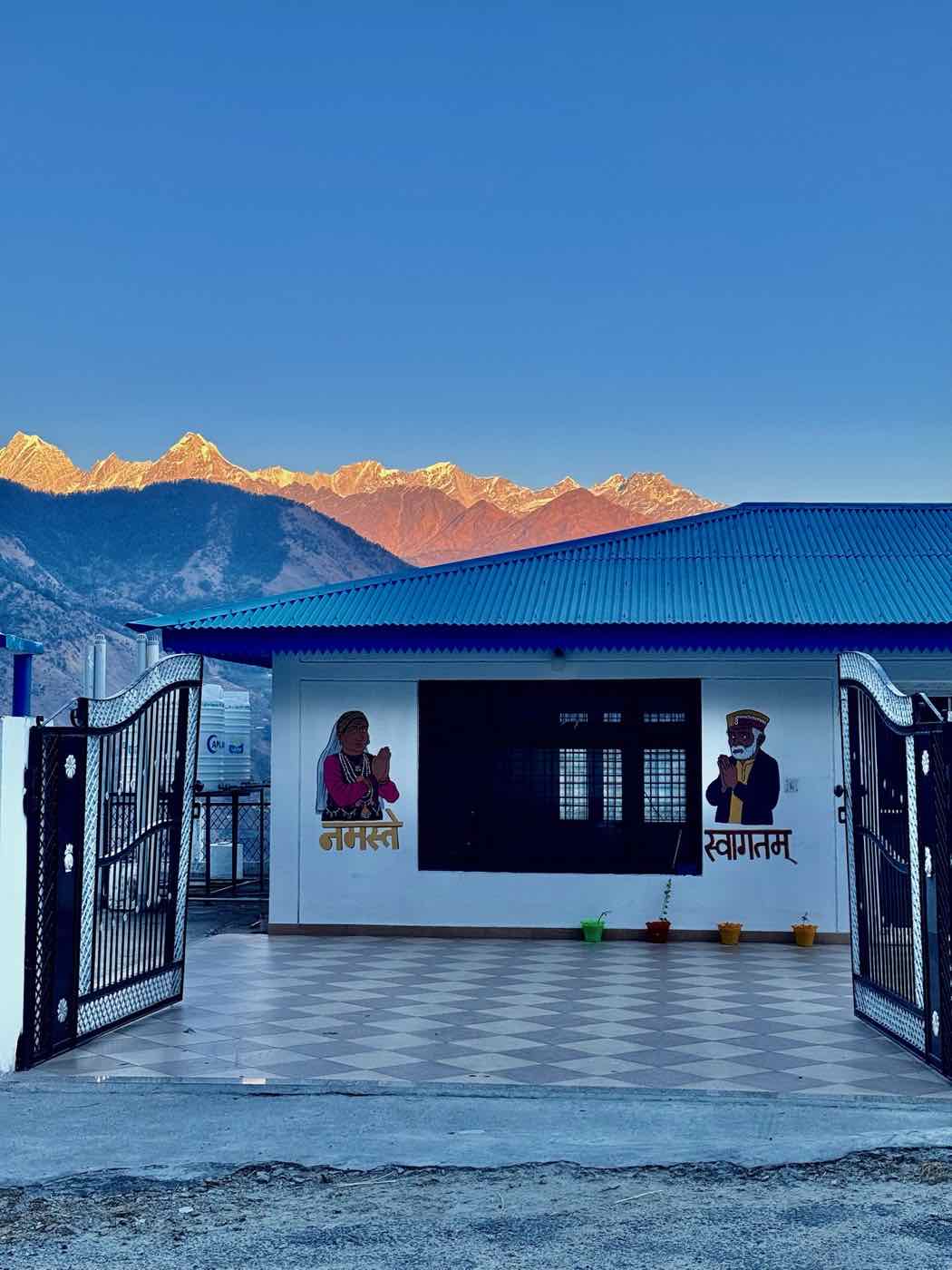
Wake Up to Himalayan Views: Mornings at a Munsiyari Homestay
The Panchachuli range, right from the balcony — and when to time your trip for the clearest view of it.
Read the story →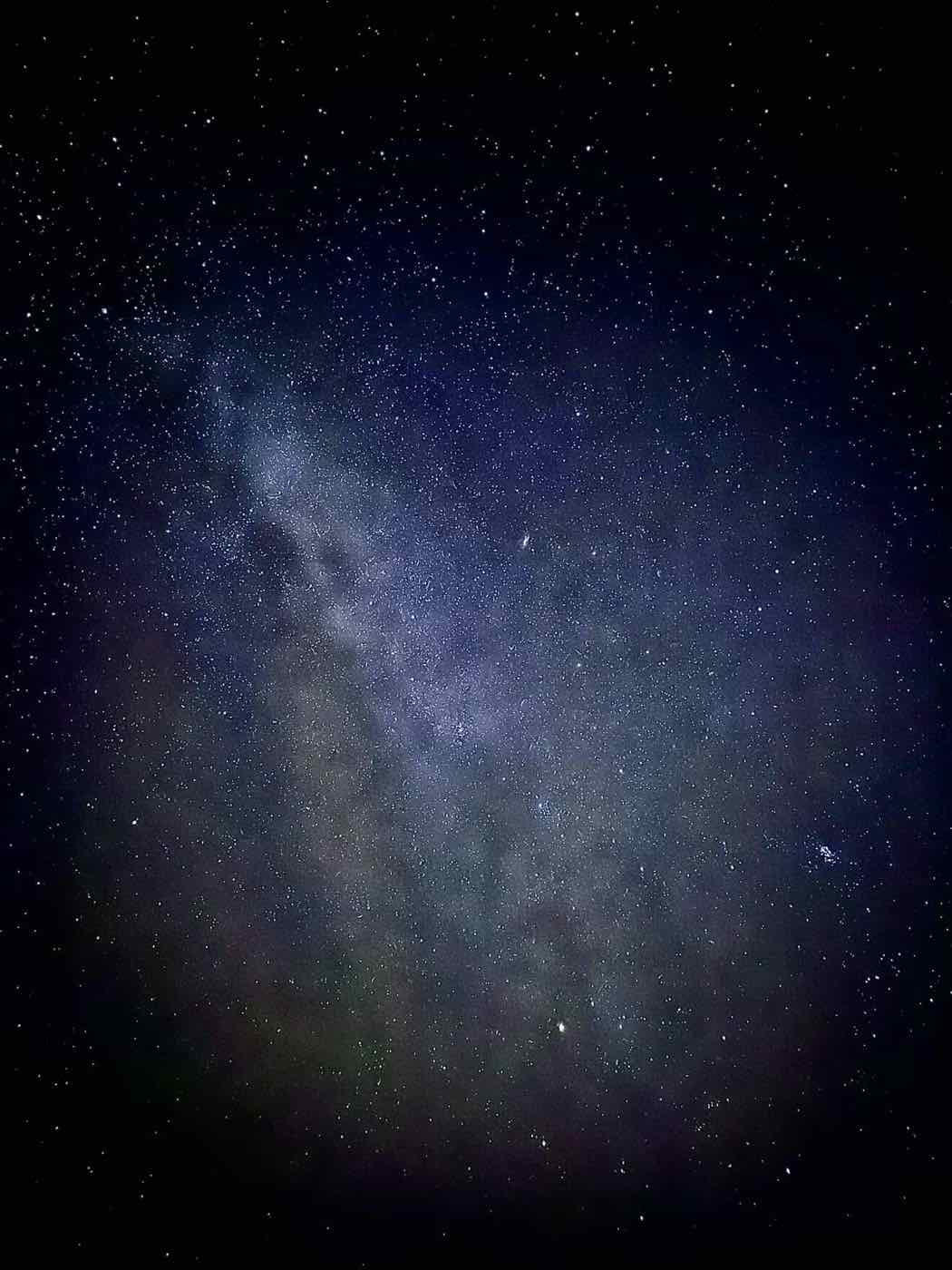
Starlit Nights in Munsiyari: What Homestay Evenings Are Really Like
Munsiyari's evenings rarely make it into the trip-planning spreadsheets — but a lot of guests say they're what they remember most.
Read the story →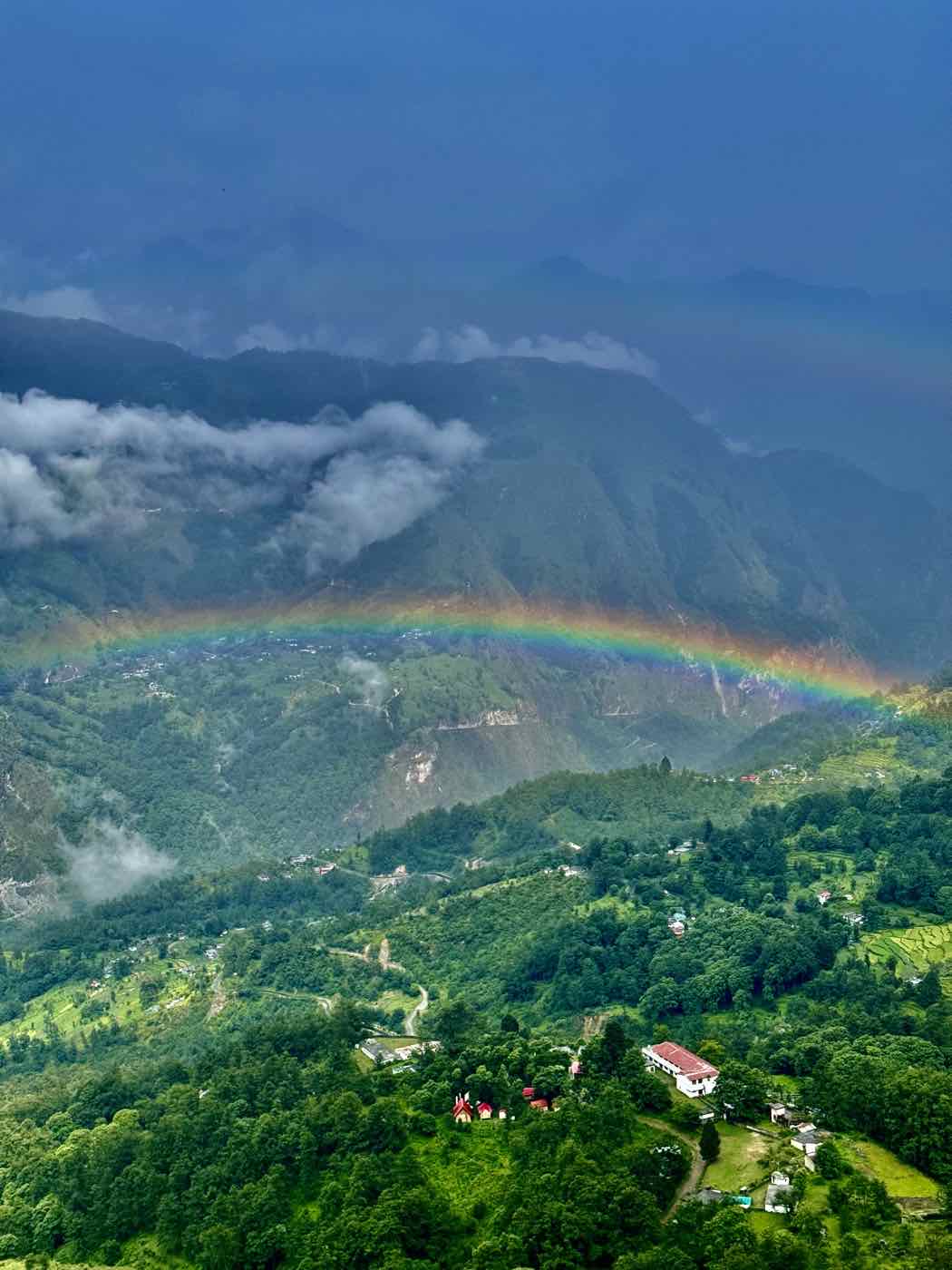
How to Reach Munsiyari from Delhi: Route, Distance & Travel Options
The budget way, the fast way, and everything in between — how to actually get from Delhi to Munsiyari.
Read the story →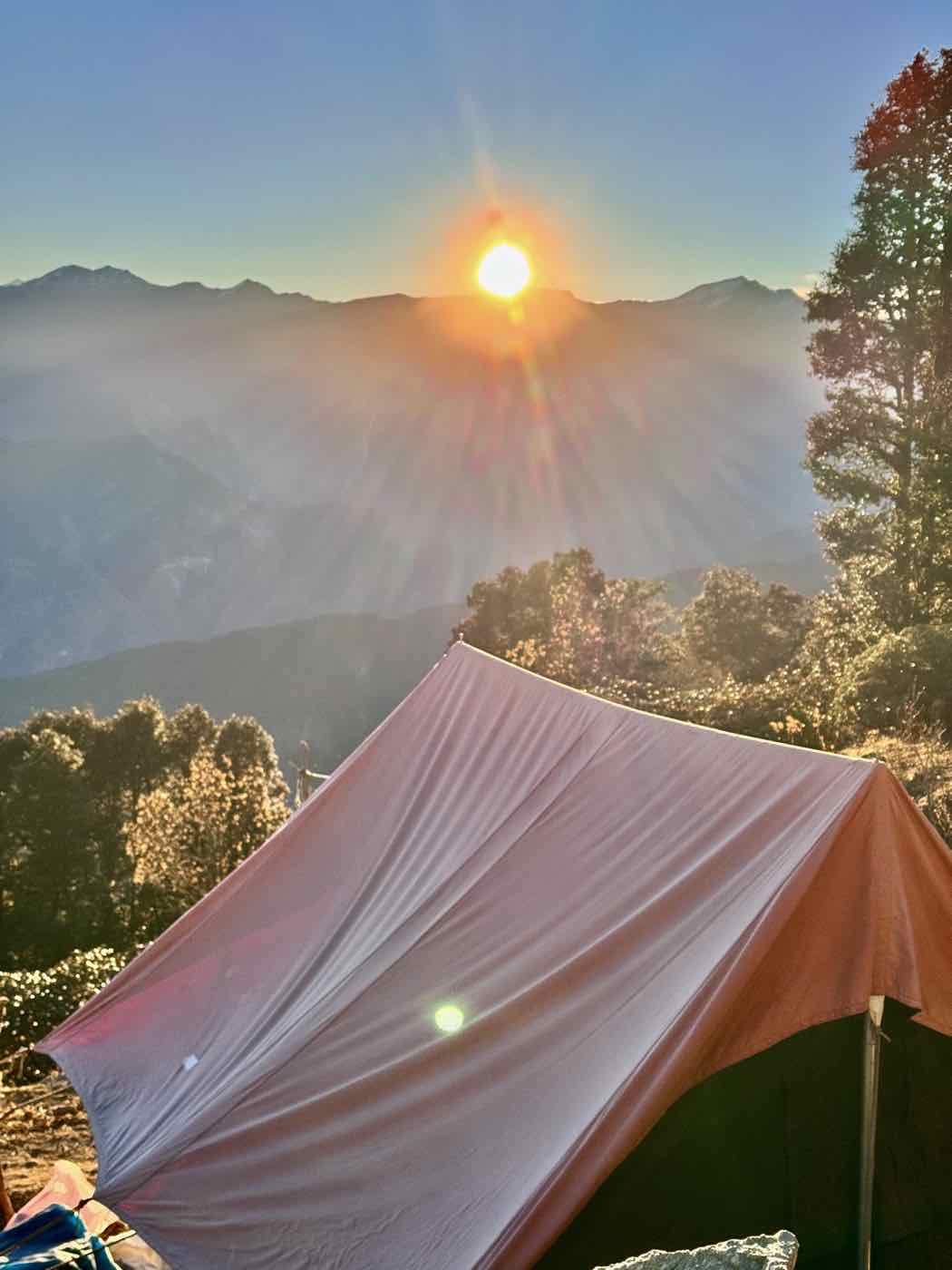
How to Reach Munsiyari from Haldwani: Route, Distance & Travel Time
Haldwani and its railway station, Kathgodam, are the usual gateway to Munsiyari — here's the route from there.
Read the story →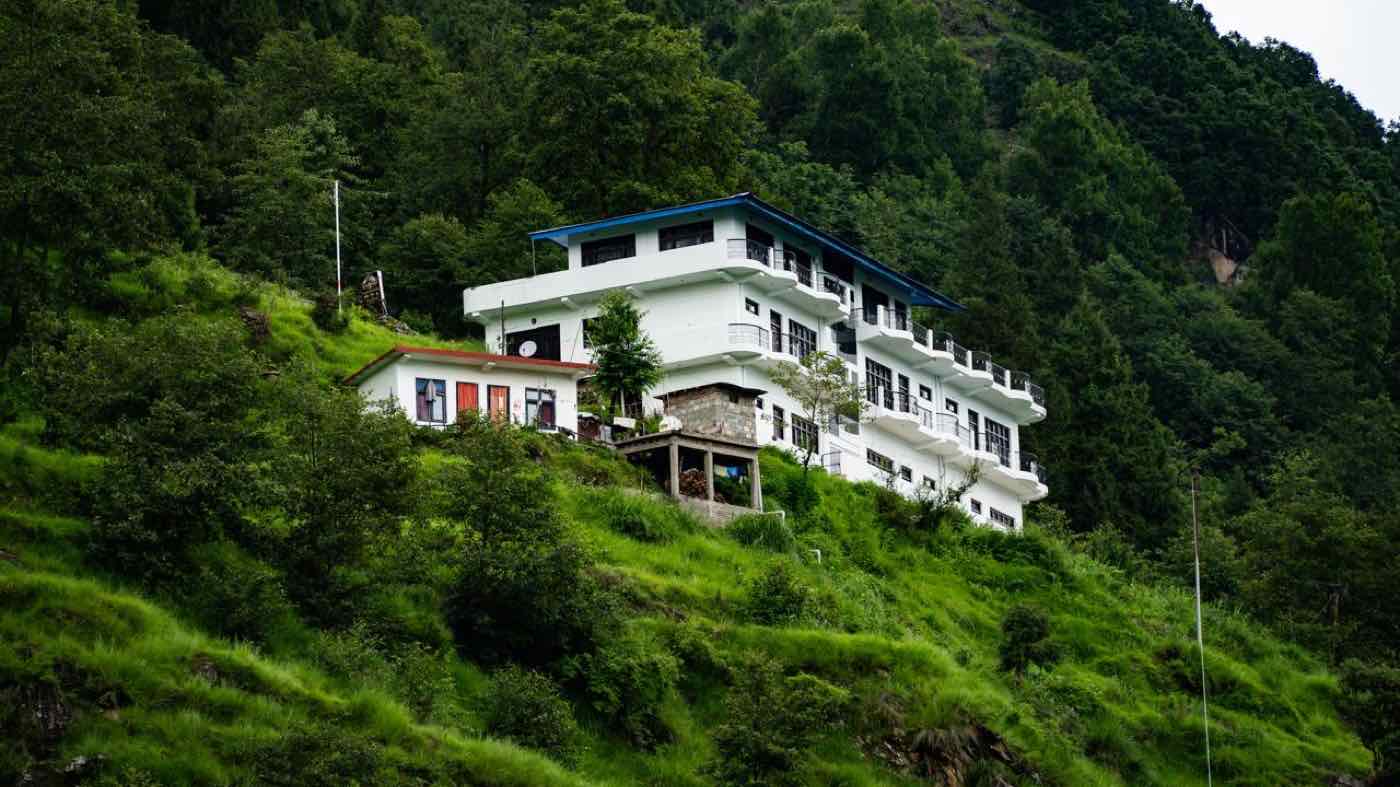
How to Reach Munsiyari from Pithoragarh: The Shortest Route In
Pithoragarh is the closest major town to Munsiyari — here's the quickest way to cover the last stretch.
Read the story →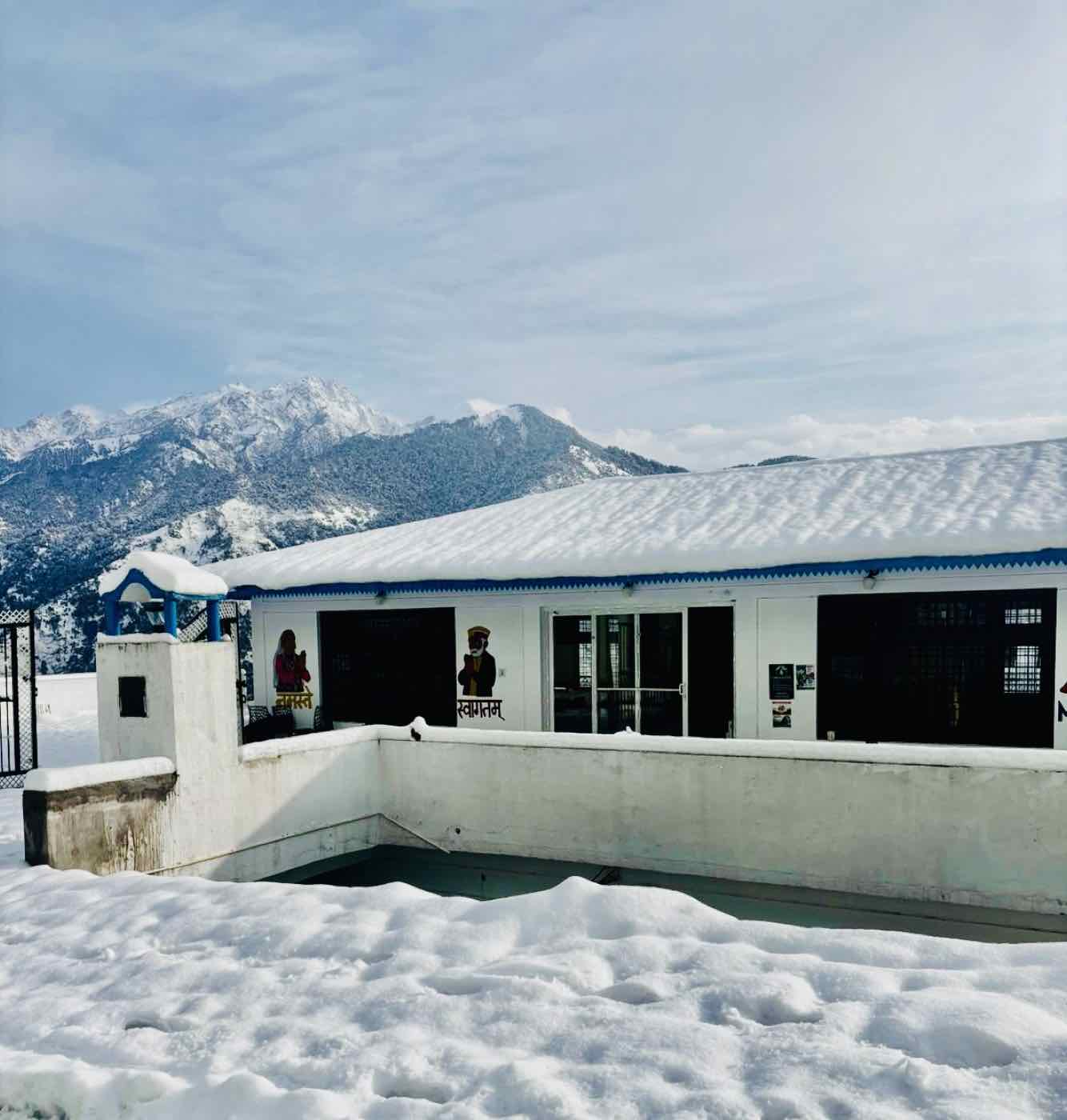
How to Reach Munsiyari from Rishikesh: Route & Travel Time
Coming from Rishikesh means a longer drive across Kumaon — here's how to plan it.
Read the story →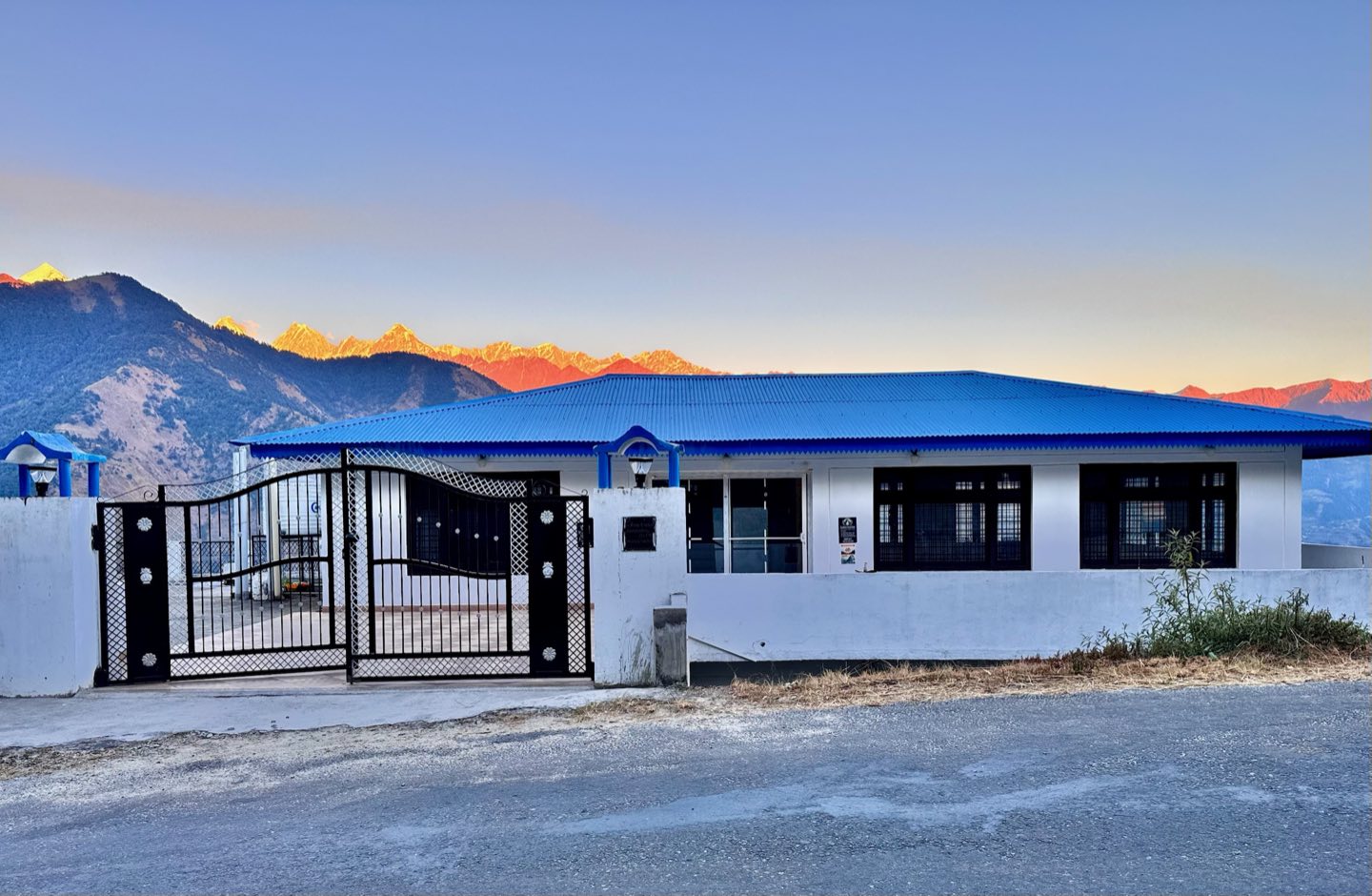
How to Reach Munsiyari from Lucknow: Route, Train & Flight Options
The route from Lucknow into the Kumaon hills, and the transport options worth comparing.
Read the story →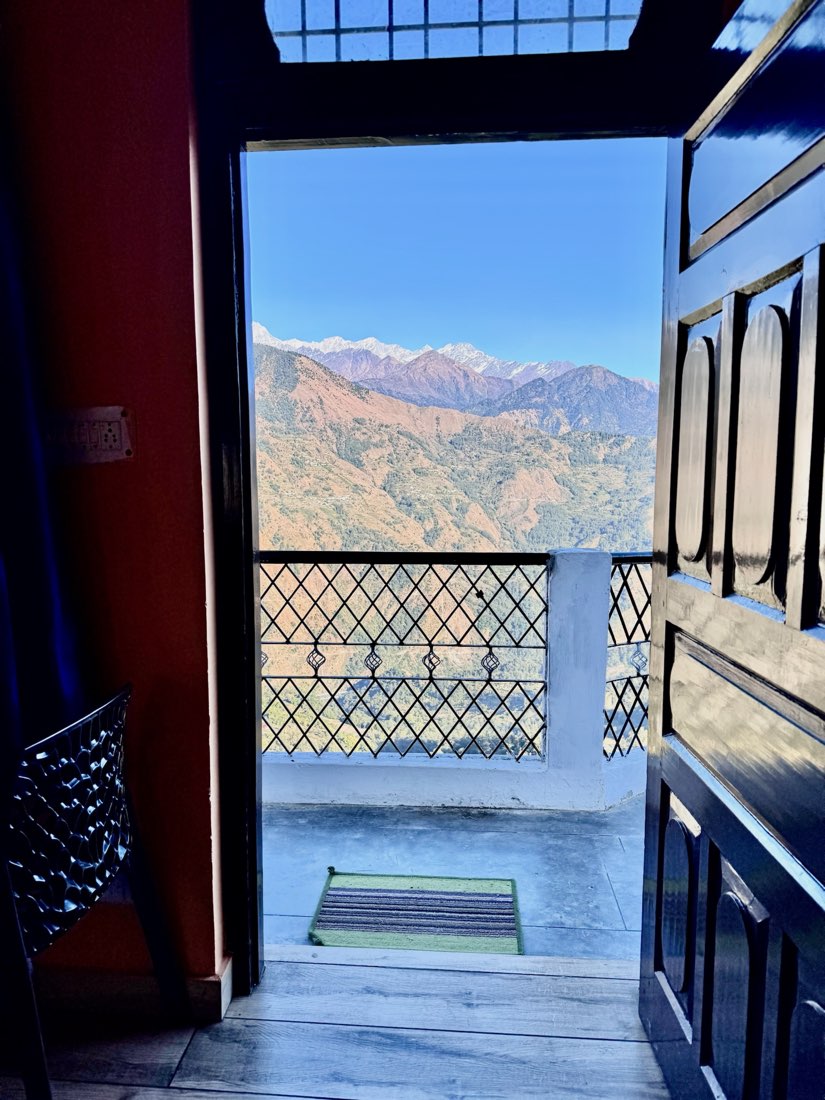
Choosing a Room at SamathaStay: Which One Fits Your Trip
Five rooms, one dorm, and a real difference in what each one gives you — here's how to pick.
Read the story →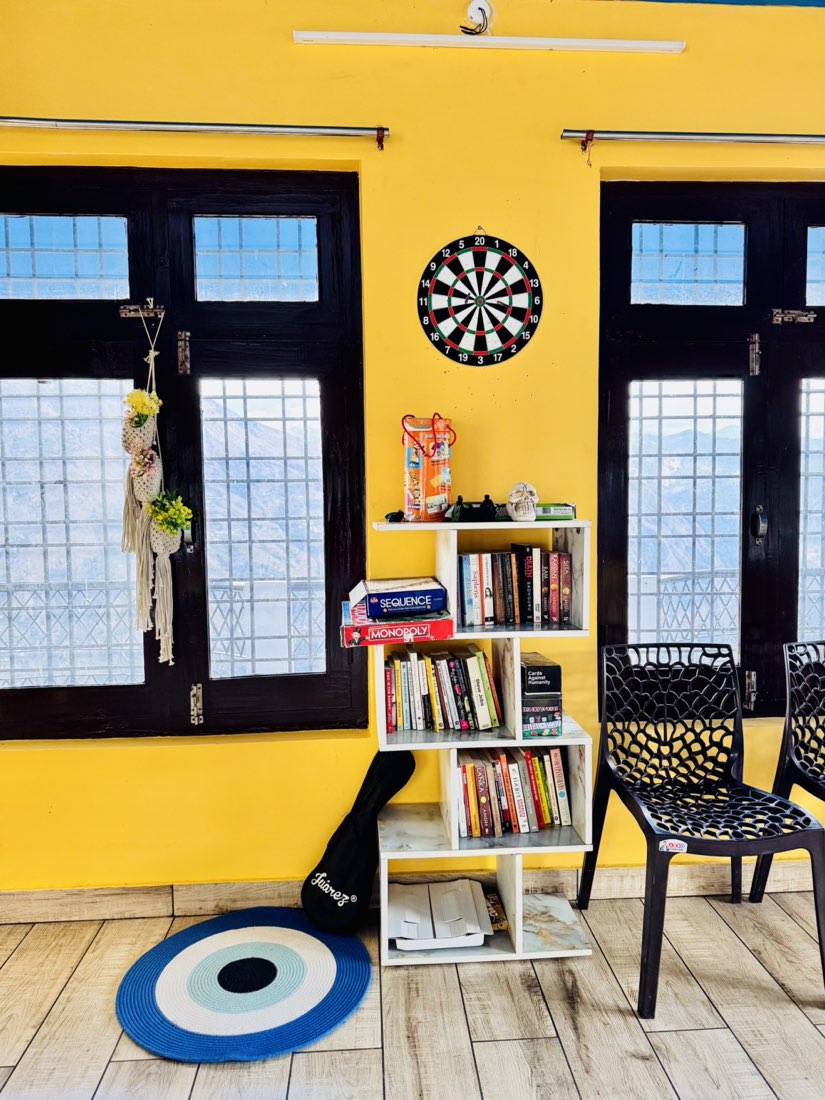
What's Included When You Book a Homestay in Munsiyari
A plain-language rundown of what's actually included at SamathaStay, and what costs extra.
Read the story →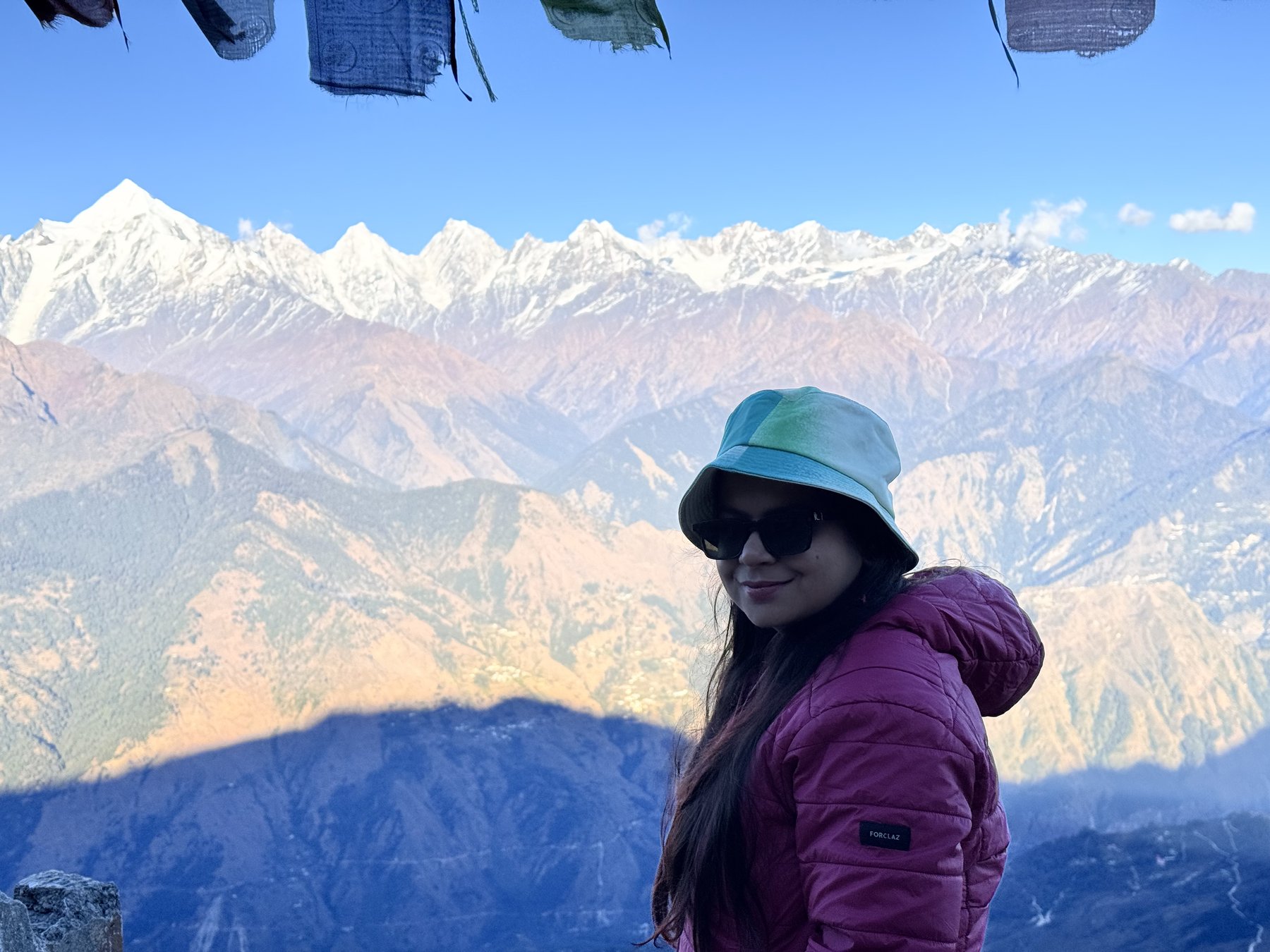
Khaliya Top Day Trek: What to Know Before You Go From SamathaStay
6km, entirely through forest, from Khaliya Dwar to Zero Point — the route stage by stage, day hike vs. overnight camping, and what to carry.
Read the story →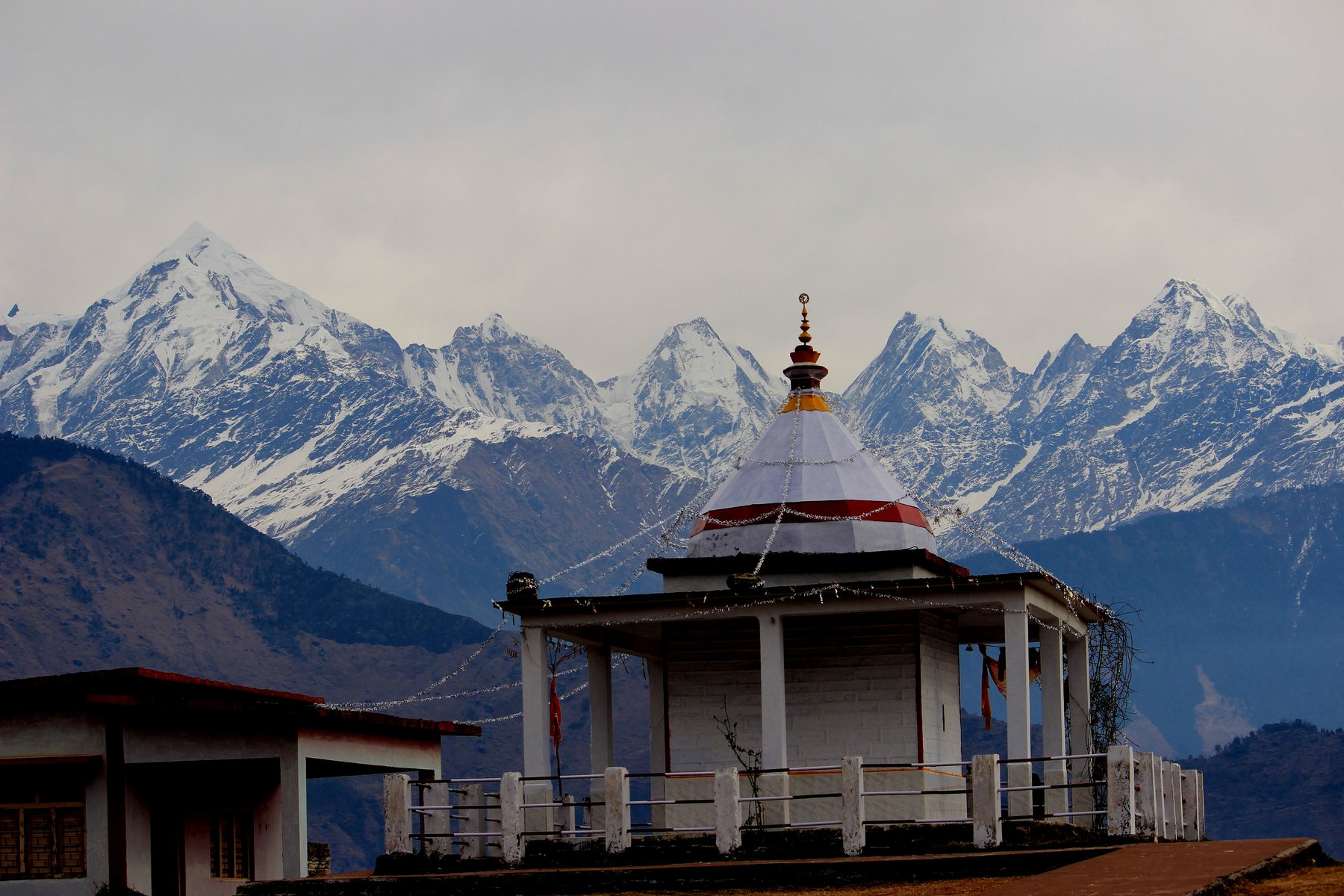
Nanda Devi Temple: The Easiest Panchachuli Viewpoint From SamathaStay
About 5km out and back in an hour or two — one of the simplest ways to add a proper mountain view to a short Munsiyari trip.
Read the story →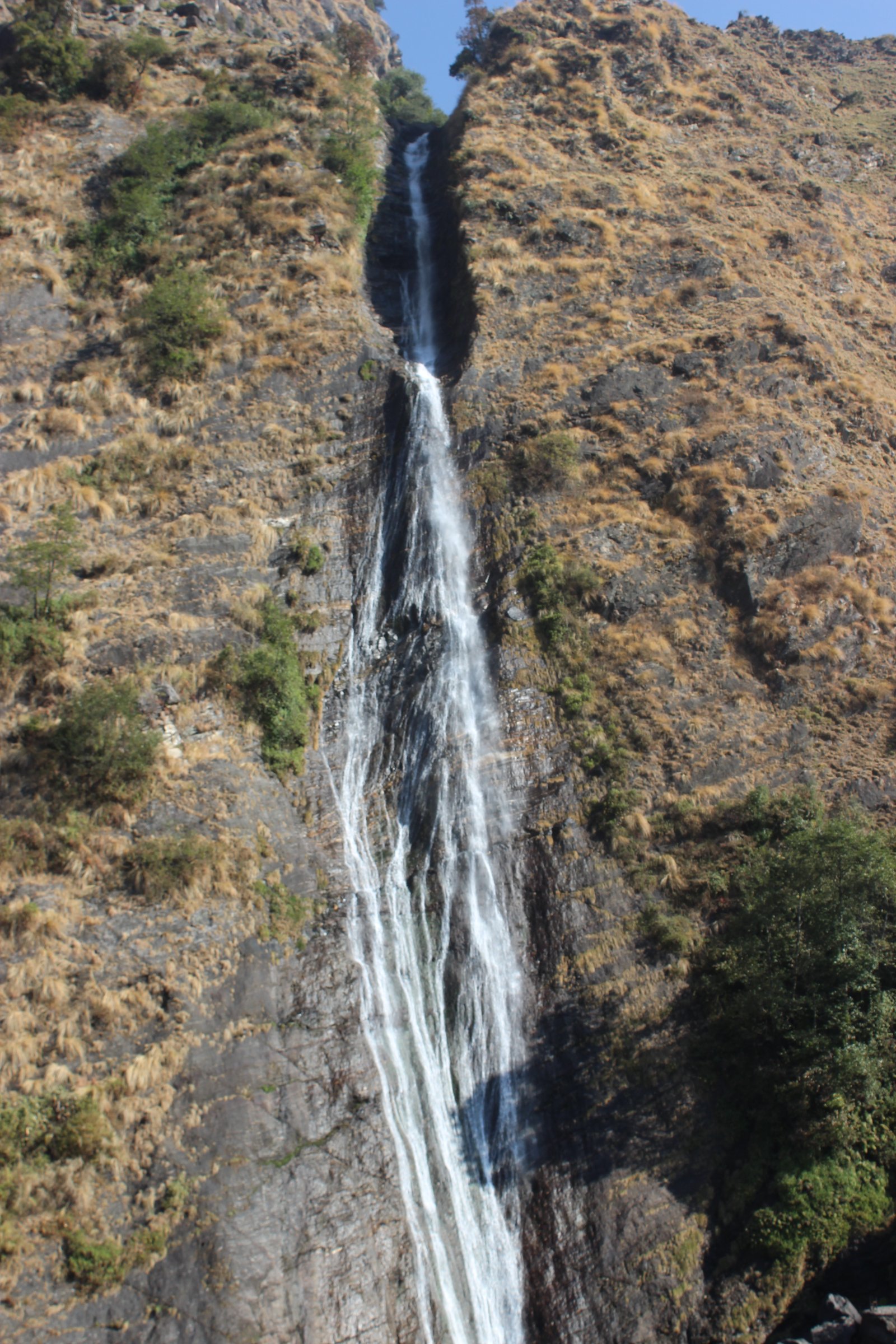
Birthi Falls: A Half-Day Trip (or a Stop on the Way) From SamathaStay
About 30–35km out, dropping through forested hillside — worth building into your journey in, or a trip of its own if you're staying a few nights.
Read the story →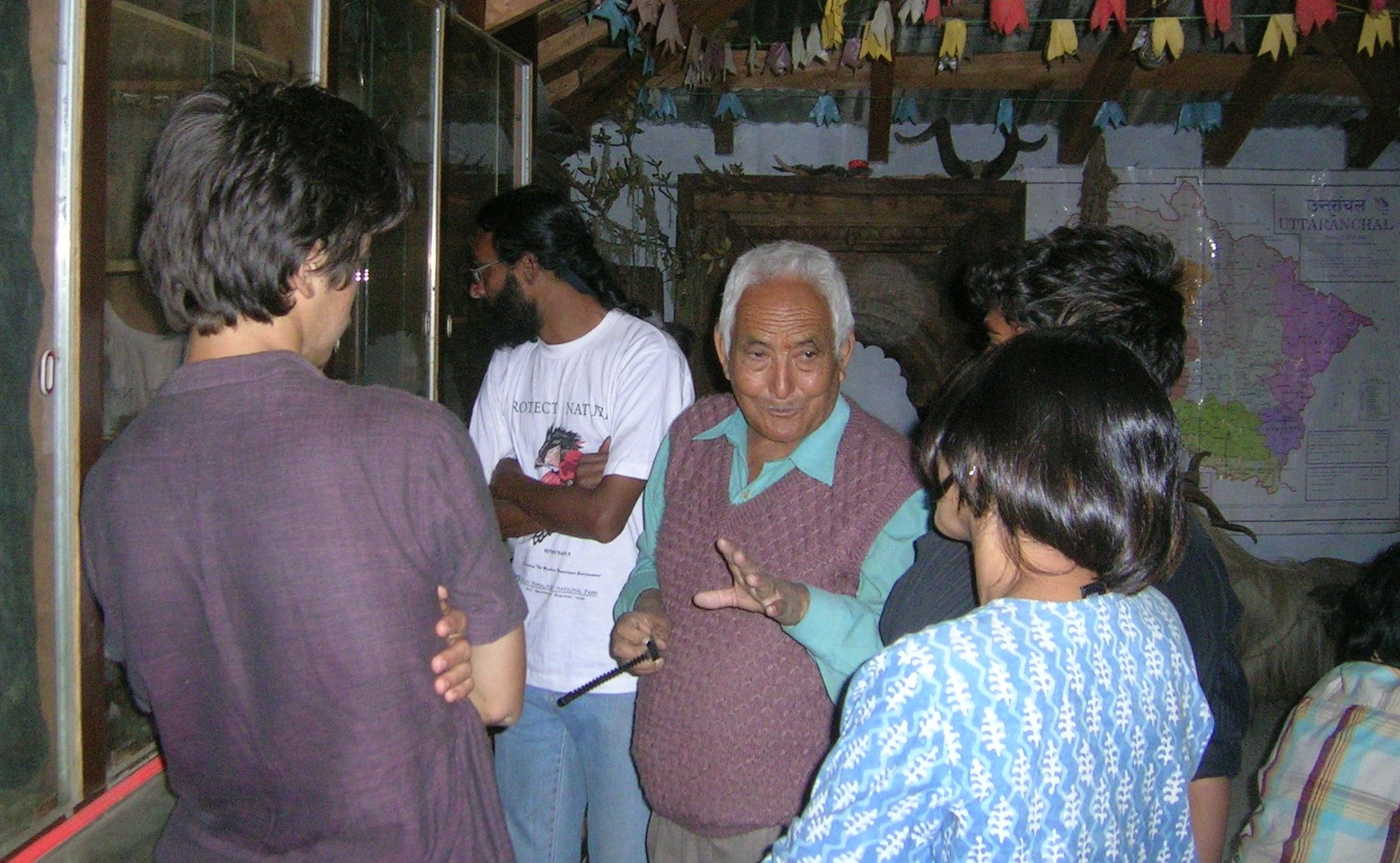
The Tribal Heritage Museum: A Short Walk From SamathaStay Into Bhotiya History
One man's private collection, a short downhill walk from Sarmoli, tells the story of a trading culture that the 1962 border closure changed for good.
Read the story →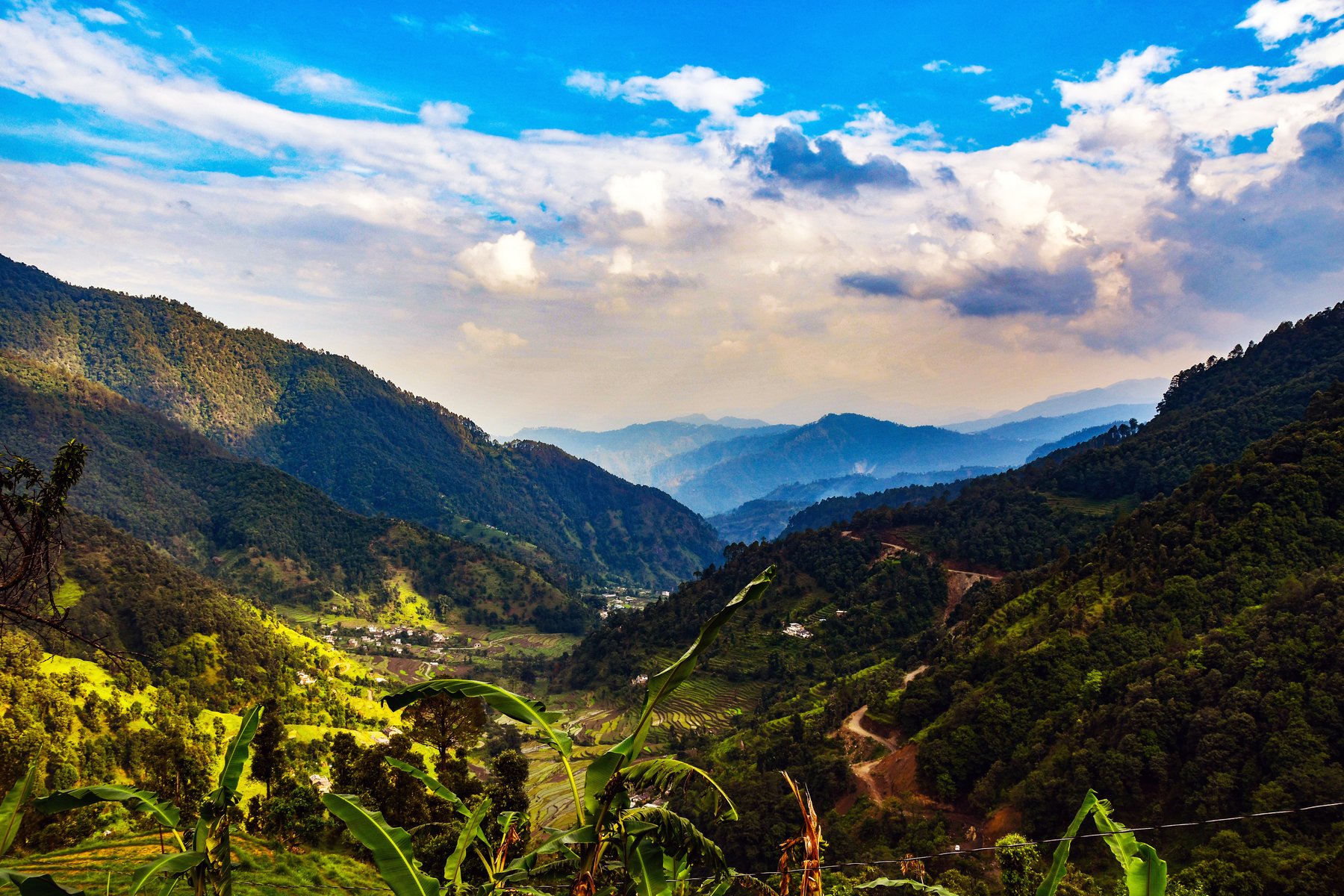
Madhkote Hot Springs: The Half-Day Trip Along the Gori Ganga From SamathaStay
About 22km and an hour's drive along the Gori Ganga, past Panchachuli views — a natural hot spring stop that folds easily into a road trip in or out of Munsiyari.
Read the story →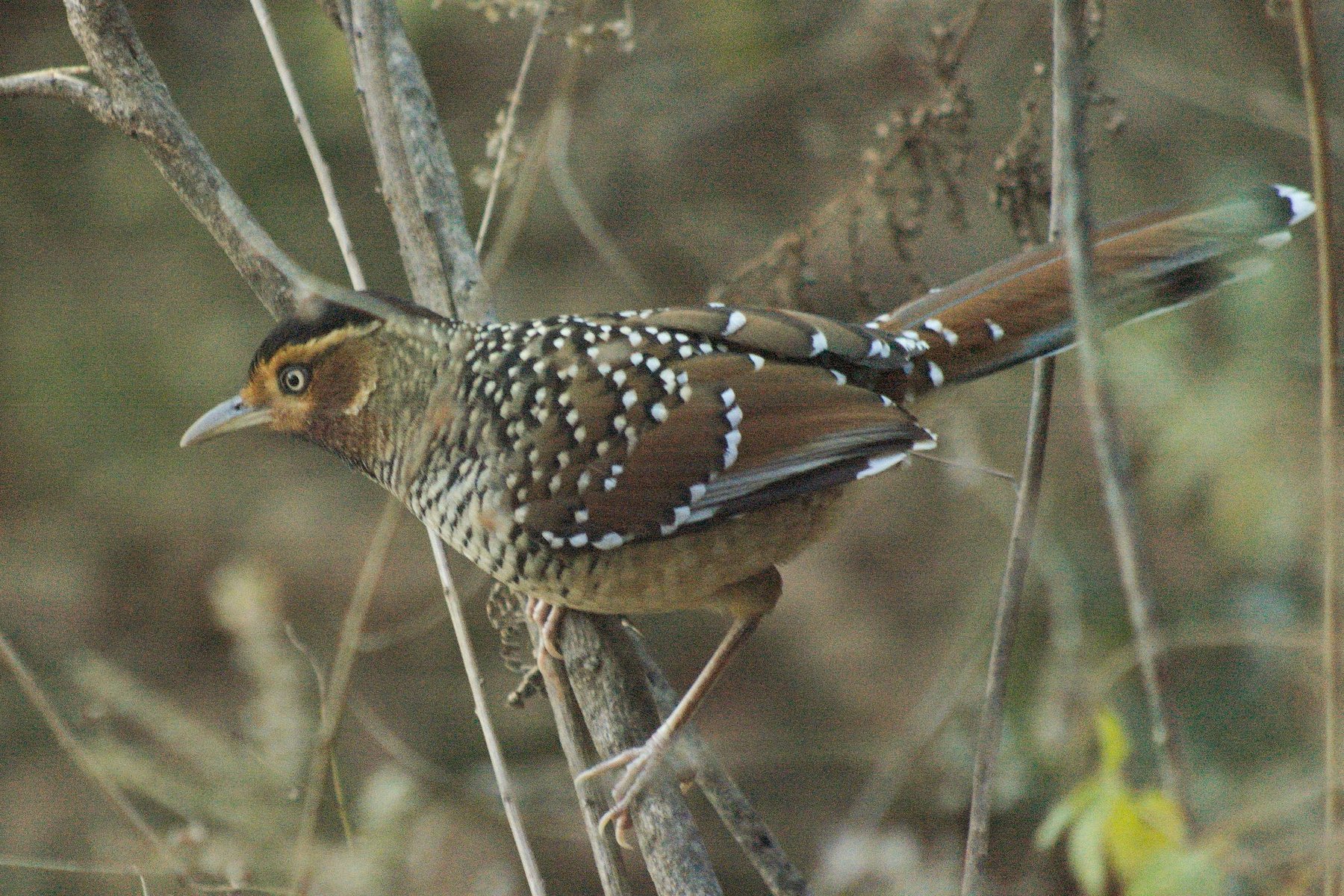
Birdwatching in Sarmoli: An Important Bird Area Right Outside SamathaStay's Door
BirdLife International and the IUCN have recognised the Gori valley around Sarmoli as an Important Bird Area, with well over 300 species recorded — no long trek required to start looking.
Read the story →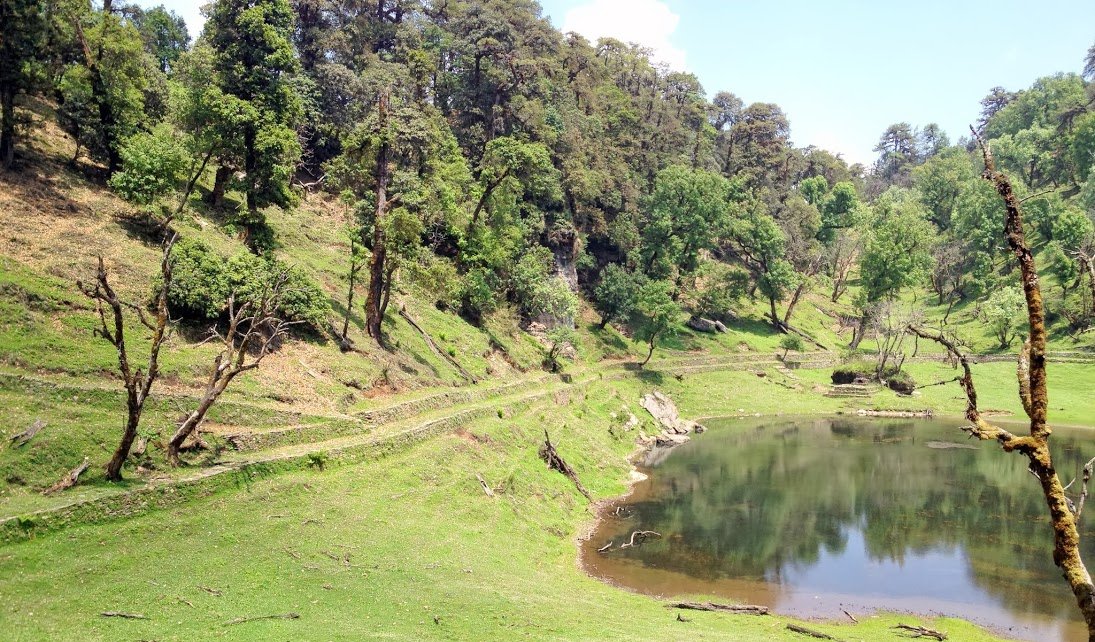
Thamri Kund: The Sacred Forest Lake Above Harkot, Near Munsiyari
A short forest trek above Harkot village leads to a quiet alpine lake framed by oak and rhododendron — one of the calmer half-day trips within reach of SamathaStay.
Read the story →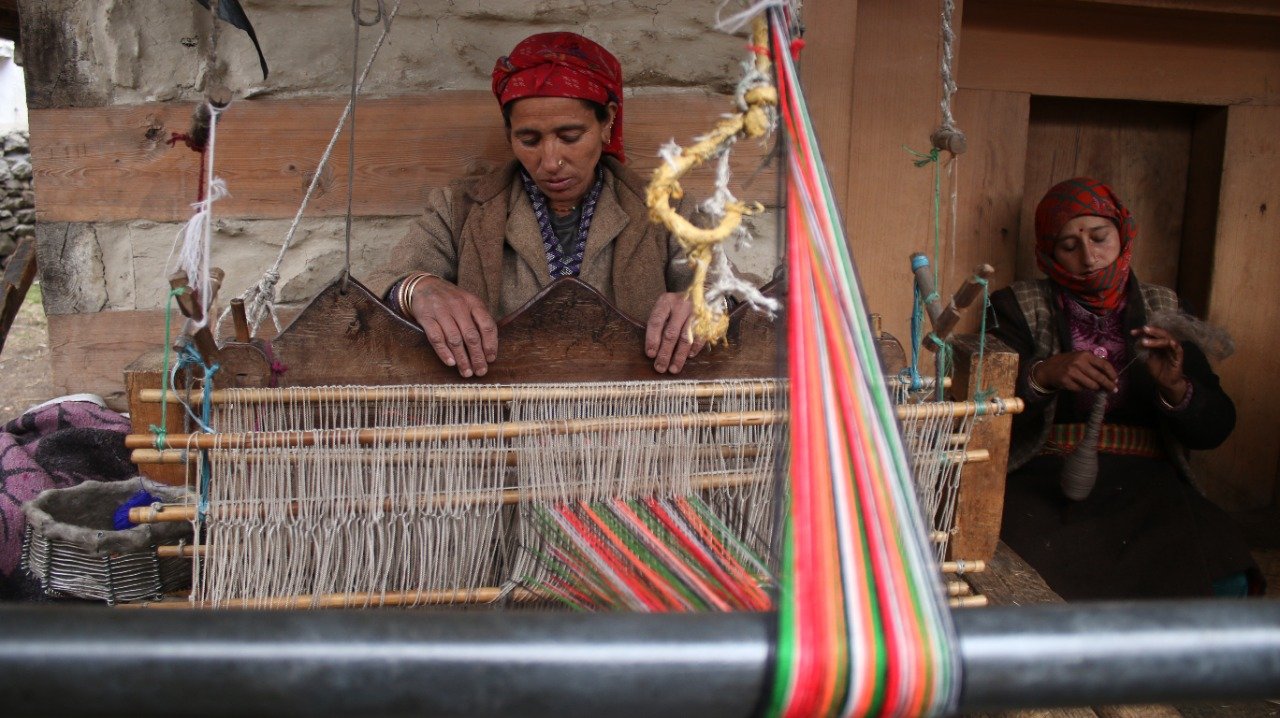
Darkot Village: Where Munsiyari's Bhotia Weavers Still Work the Pit Loom
A short trip from Munsiyari to a village of Bhotia weavers, where wool and Angora pashmina shawls are still made by hand on traditional pit looms — and can be bought straight from the women who make them.
Read the story →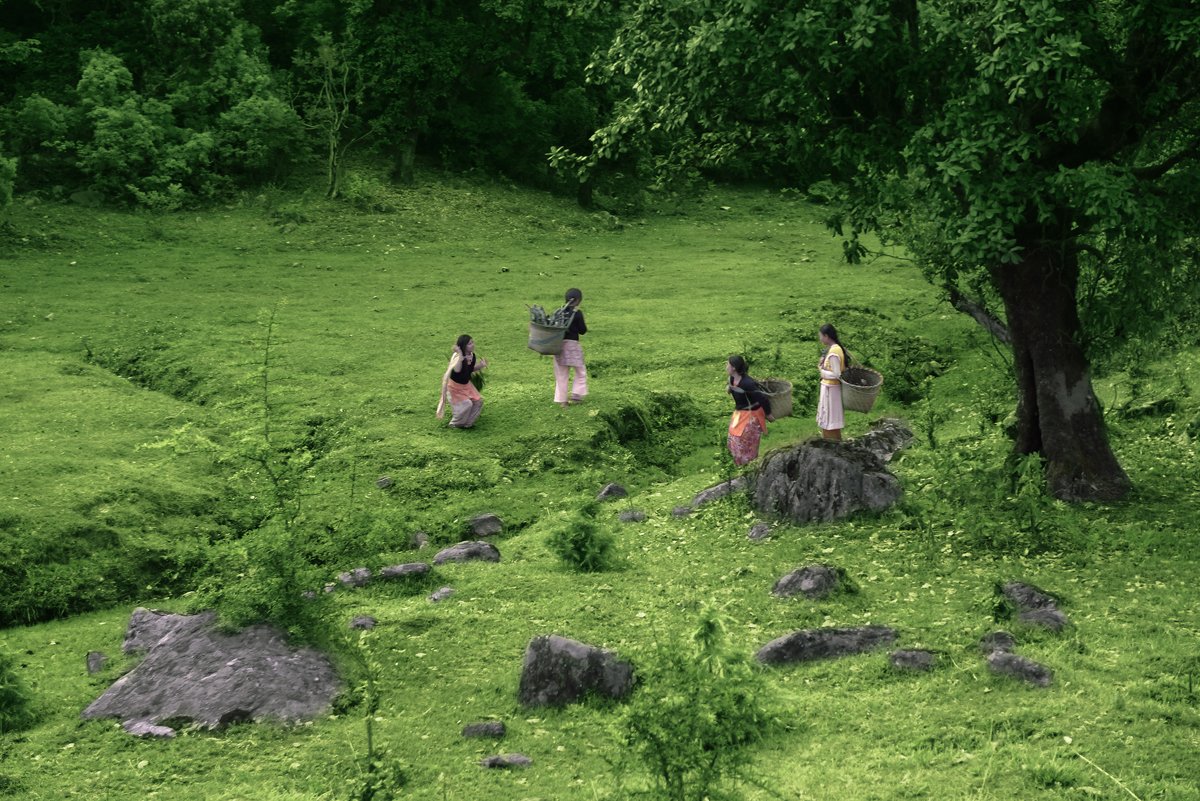
Maaheshwari Kund: A Short Forest Walk to Sarmoli's Sacred Lake
Also known as Mesar Kund, this small forest pond above Sarmoli is one of the closest treks to SamathaStay — under an hour on foot, and wrapped in its own local legend.
Read the story →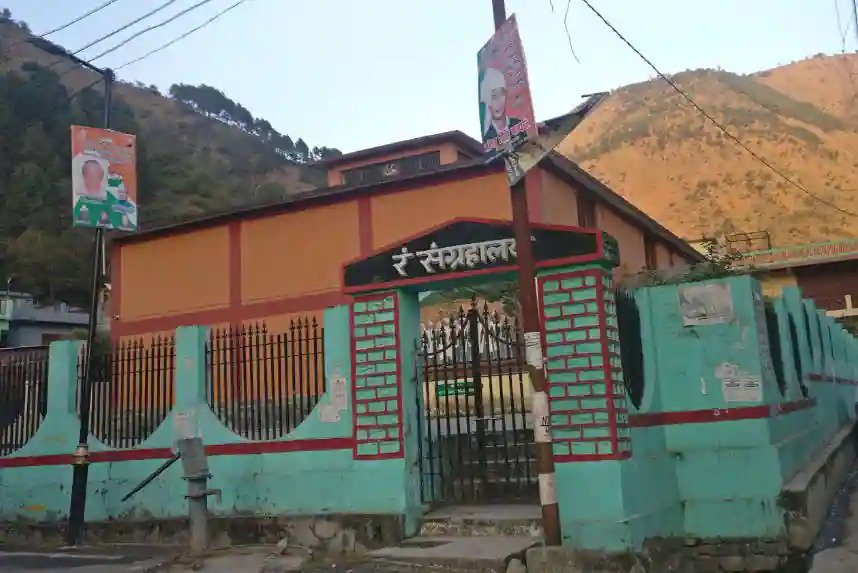
Dharchula and the Rung Museum: Munsiyari's Gateway Further Into the Hills
A border town on the Kali river, a small museum built to hold the Rung community's history, and the jumping-off point for trips toward Om Parvat, Adi Kailash and the Darma Valley.
Read the story →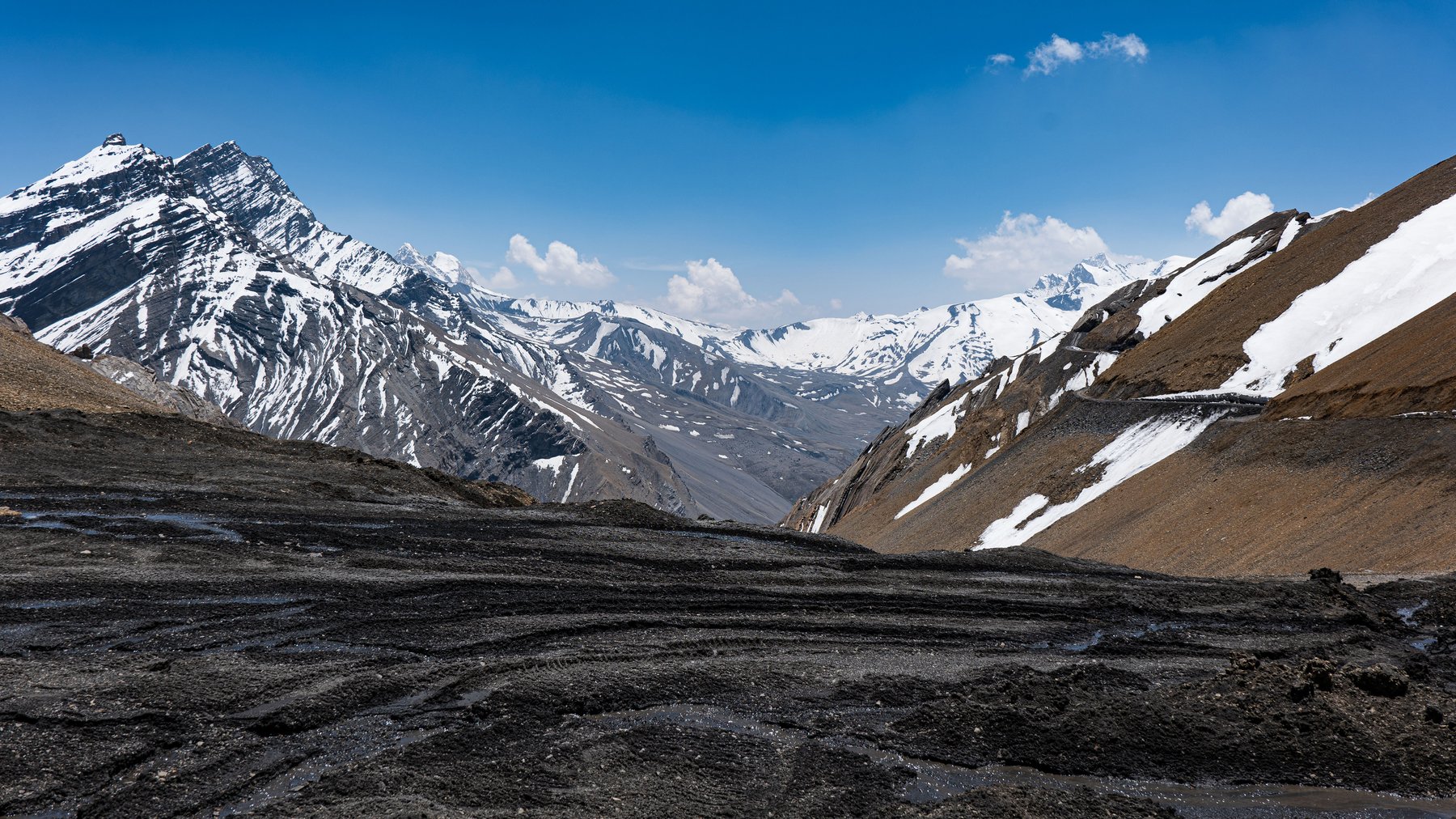
The Milam Glacier Trek: Munsiyari's Old Trade Road Into the Johar Valley
A serious multi-day trek up the Gori Ganga to a village that once traded salt and wool with Tibet — and is now, most of the year, almost empty.
Read the story →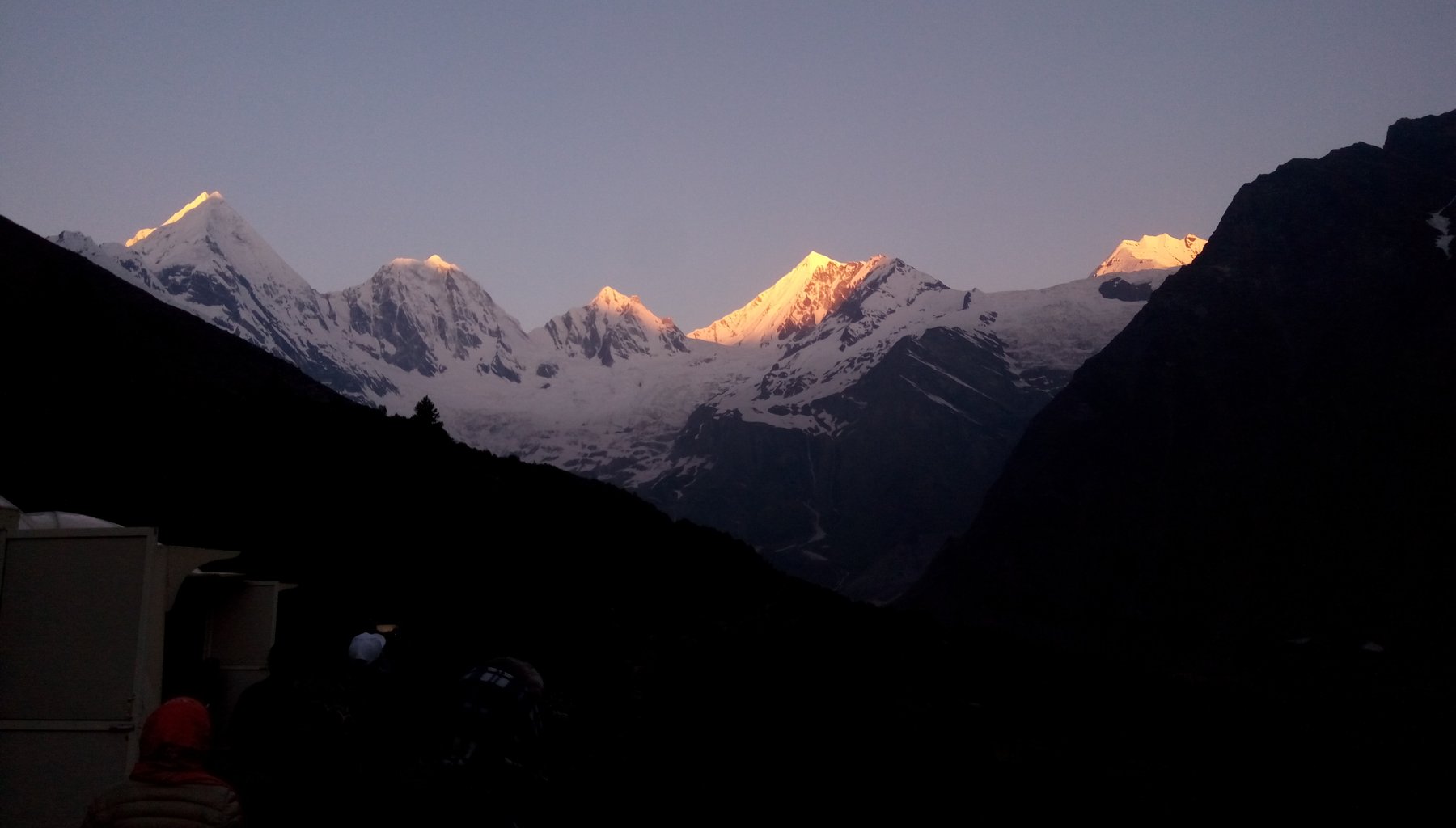
The Panchachuli Base Camp Trek: Getting Closer to the Peaks You See From SamathaStay
A multi-day trek through the Darma Valley, via Dharchula, that brings you to the foot of the same five peaks visible from SamathaStay's balcony.
Read the story →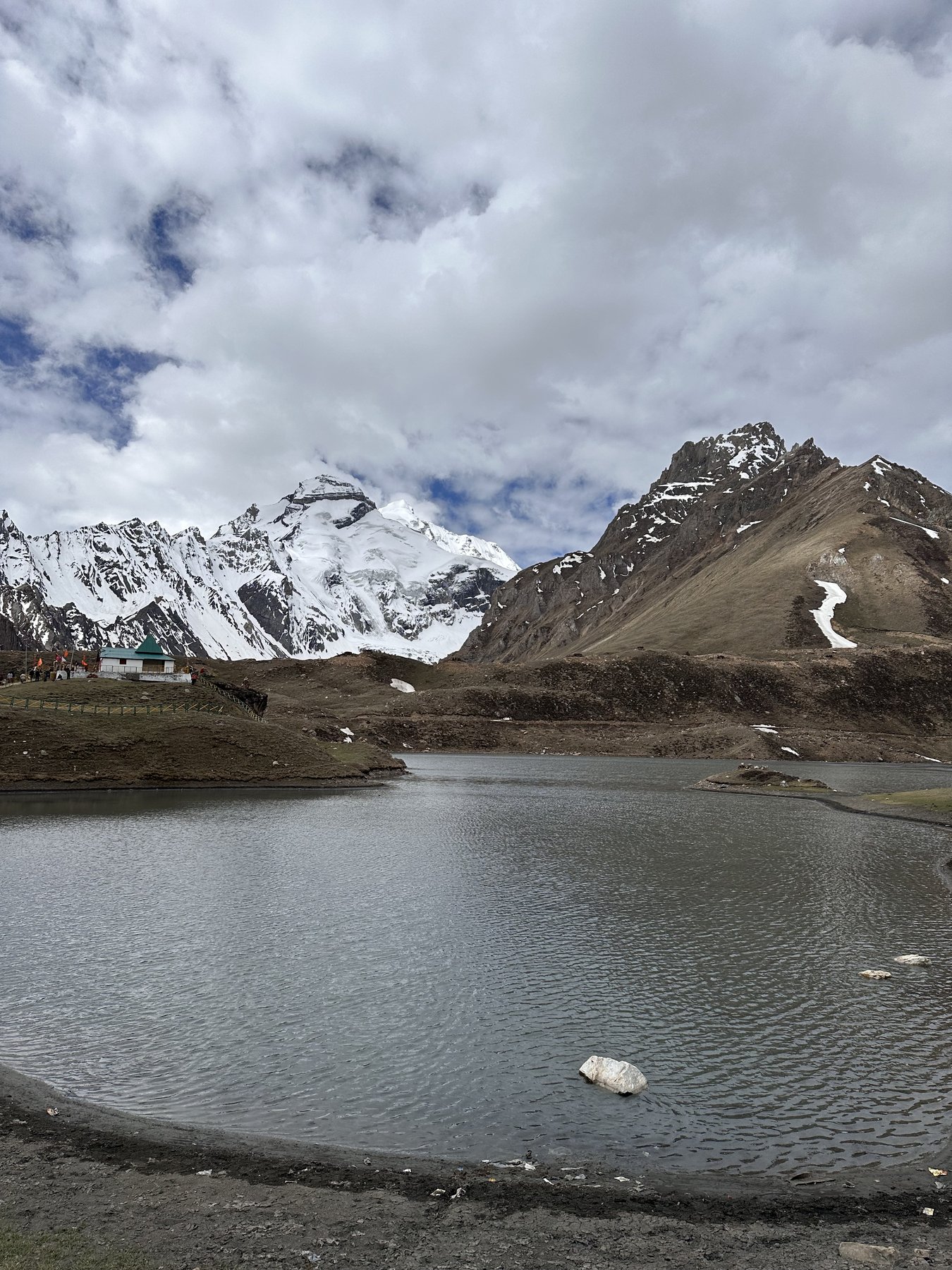
Adi Kailash and Om Parvat: The Border Yatra Beyond Dharchula
A separate multi-day trip from Dharchula brings you to two of the region's most sacred sights — Adi Kailash's glacial lake and Om Parvat's snow-marked face.
Read the story →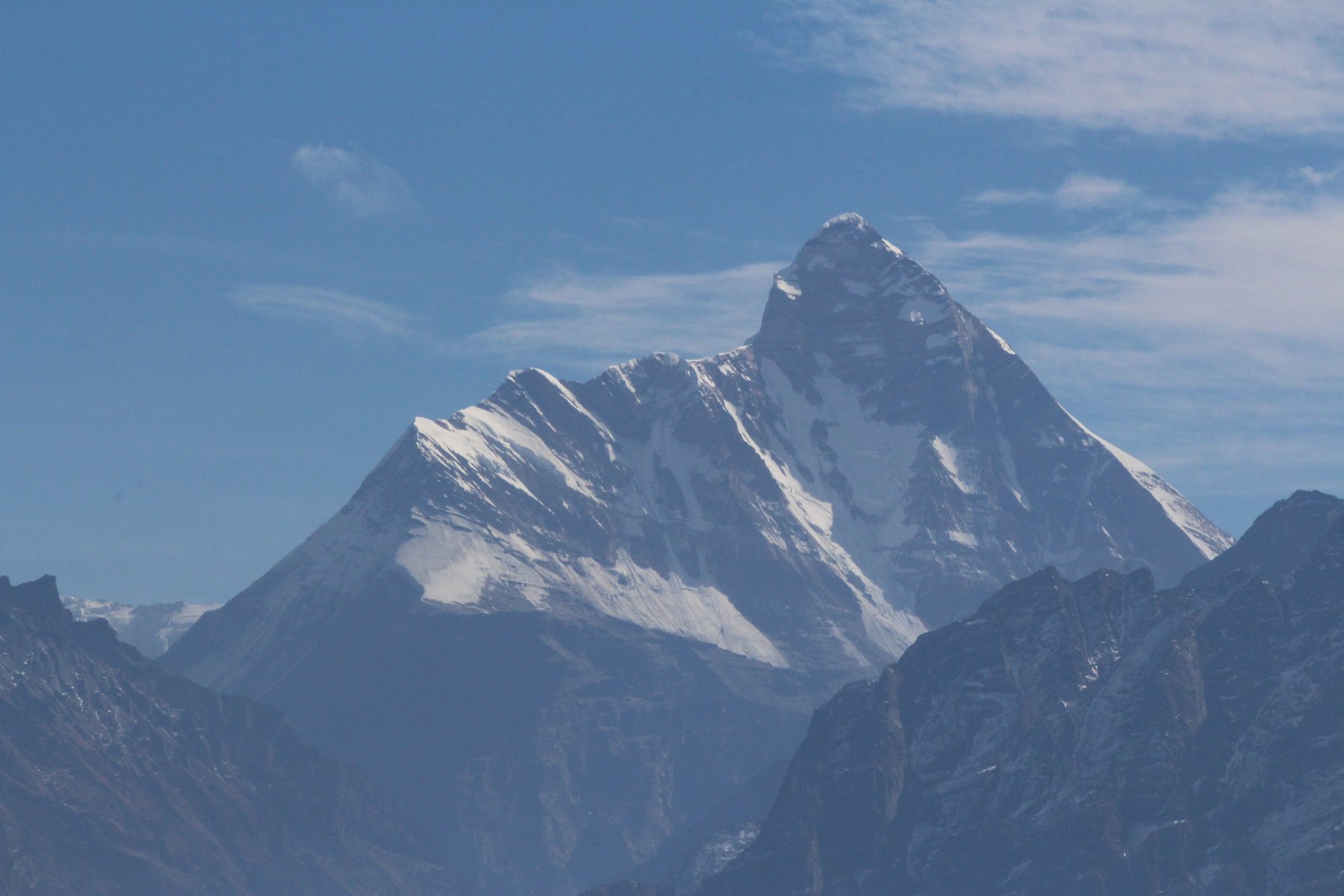
The Trek to Nanda Devi East Base Camp, Deep in the Johar Valley
A serious multi-day walk from Munsiyari that shares its first few days with the Milam Glacier trail before branching off toward the edge of India's most tightly protected mountain sanctuary.
Read the story →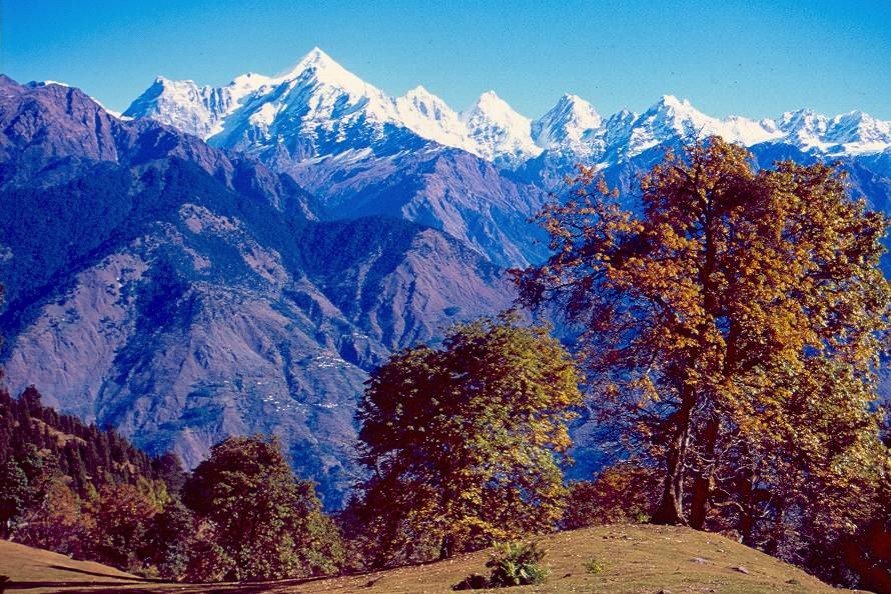
The Munsiyari Bugyal Walk: An Easy Forest Meadow, No Full-Day Trek Required
A paved path from the Forest Rest House climbs through oak and rhododendron to a quiet meadow with Panchachuli views — about half an hour in, with the option to keep going toward Nanda Devi Temple.
Read the story →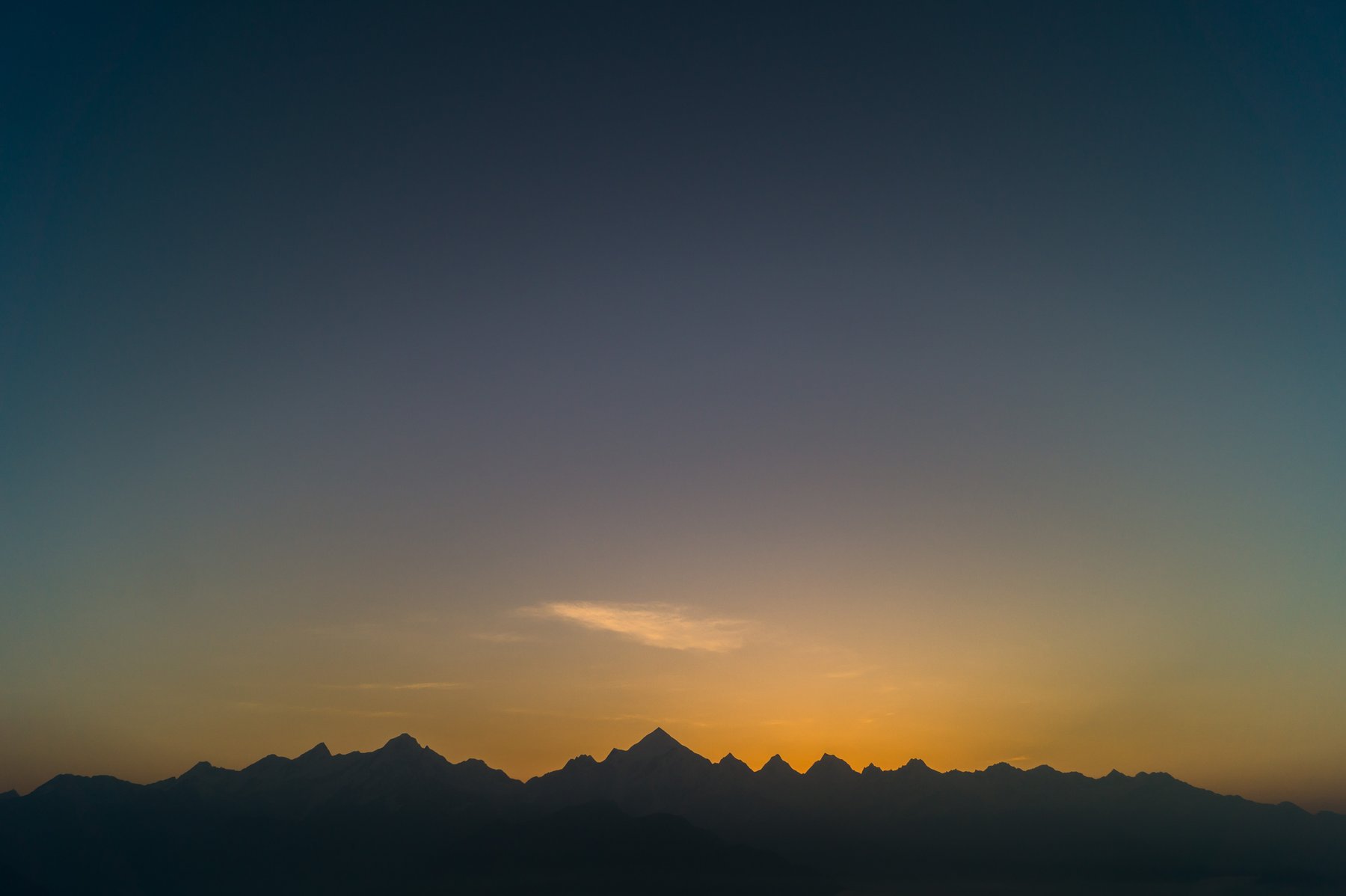
Kalamuni Top: The Highest Point on the Road Into Munsiyari
A small Kali temple marks the highest stretch of the Birthi–Munsiyari road — most visitors already pass close to it on the way in, whether they stop or not.
Read the story →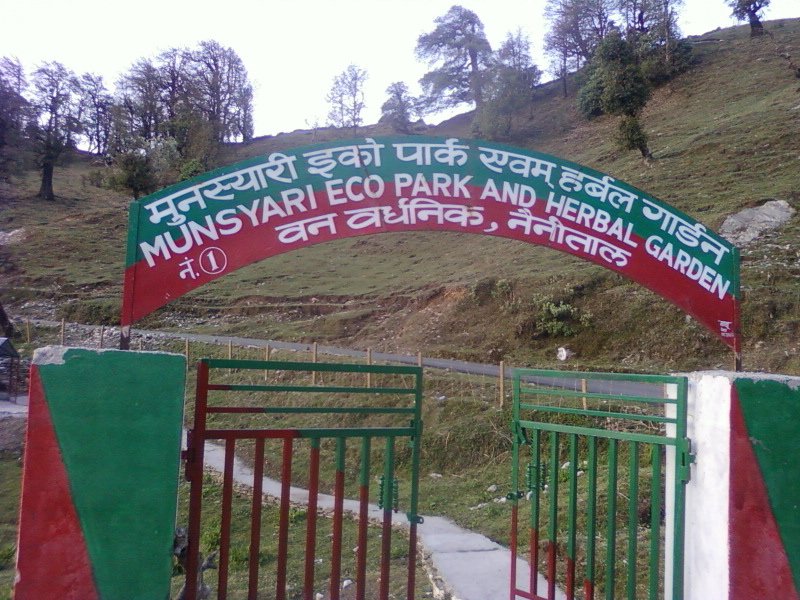
Munsiyari's Tulip Garden: Dutch Bulbs, Local Youth, and a New Kind of Eco-Tourism
On the Thal road into Munsiyari, a once-barren hillside now blooms with imported tulips every spring — planted and run by local youth through the forest department's eco park. A gentle, unusual stop that doesn't need a trek.
Read the story →Recommended reading
Sarmoli, Uttarakhand: A Himalayan Village Where Locals Run Marathons and Their Own Instagram Channel
Travel writer Shivya Nath visits Sarmoli — the same village SamathaStay calls home — and writes about its homegrown marathon festival, the community-run @VoicesofMunsiari Instagram account, and how local women have built their own homestay businesses.
Read the full post ↗Munsiyari's Women of Mettle
A look at how Sarmoli's women-led homestay cooperative and the Maati Sangathan collective have turned ecotourism into a way to keep young people from leaving the mountains for the cities.
Read the full post ↗Khaliya Top Trek: A Complete Travel Guide
A practical, first-person trek guide to Khaliya Top — the high-altitude meadow just a few kilometres from SamathaStay — covering the route, terrain, and the 360° Himalayan views from the top.
Read the full post ↗Sarmoli: A Village in Munsiyari That Runs Its Own Instagram Page
An overview of Sarmoli's homestay-driven tourism model, local festivals, and why this small village became known as the first in India to run its own Instagram account.
Read the full post ↗Munsiyari Travel Guide: Top Experiences and Adventures
A broader travel guide to Munsiyari covering trekking routes, wildlife, local food, and practical trip-planning tips for first-time visitors to the region.
Read the full post ↗The posts above under "Recommended reading" are by independent travel writers, not written or sponsored by SamathaStay — we're sharing them because we think they capture the area well. Views and details in each post are the author's own.